Planning your first trip and wondering where to start? The best places to visit in Australia depend on season and region: pair the Great Barrier Reef, Sydney, Uluru and Melbourne with the right months.
This guide sits within the wider travel destinations section of the site, and it groups Australia’s highlights by region and season rather than by a single ranking.
| Item | Value |
|---|---|
| Tourism Australia’s shortlist | 10 most iconic places |
| Age of Uluru, as Tourism Australia describes it | 500 million years |
| Size of the Whitsundays group | 74 islands |
| Whitsundays average daily temperature | 27 degrees Celsius |
| Minimum time for a few cities plus the reef | At least two weeks |
These figures come from Tourism Australia and Time Out’s Australia guide, and they can change, so check the source before you rely on them.
The best places to visit in Australia for a first trip
Australia is continent-sized, so a shortlist helps. Tourism Australia narrows the choice to its 10 most iconic places, and five of them anchor most first itineraries:
- Great Barrier Reef: the world’s largest reef system, with turtles, fish and colourful coral.
- Sydney: iconic beaches and city sights, including the Opera House and Bondi Beach.
- Uluru: a huge red monolith in the heart of the outback.
- Melbourne: world-class food, live music and hidden laneways.
- Kangaroo Island: a wildlife stop off South Australia’s coast.
The rest of this guide works outward from those anchors: the tropical north and Red Centre first, then the southern cities and coast, then timing and trip length.
Tropical north and the Red Centre
The Great Barrier Reef is the obvious starting point. Tourism Australia pairs it with the Daintree Rainforest, two World Heritage sites that meet in Queensland’s tropical north.
For reef trips, Time Out points to a boat ride from Cairns, Port Douglas or Townsville. Its advice is to go from May to October, when rainfall is minimal and the water is pleasant.
The Whitsundays sit right beside the reef, a collection of 74 islands off Queensland’s northeast coast. Most are uninhabited, and Time Out puts the average daily temperature at 27 degrees Celsius, with September to October suggested for the end of whale season and steady warmth.
Inland, Uluru is a World Heritage site and one of the country’s most memorable landmarks. Tourism Australia calls it a special place 500 million years in the making, and says sunset dinners can be lit by Bruce Munro’s Field of Light installation.
Southern cities, coast and wildlife
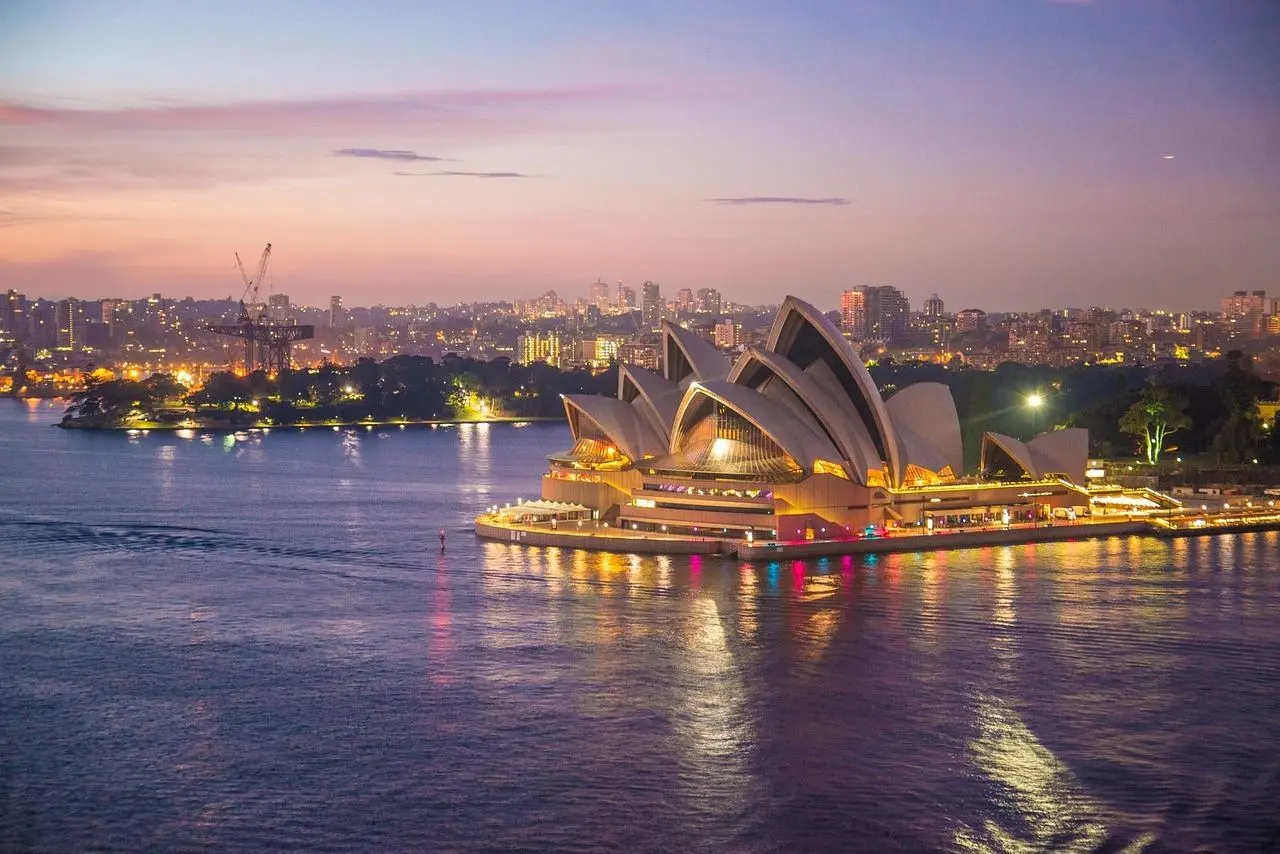
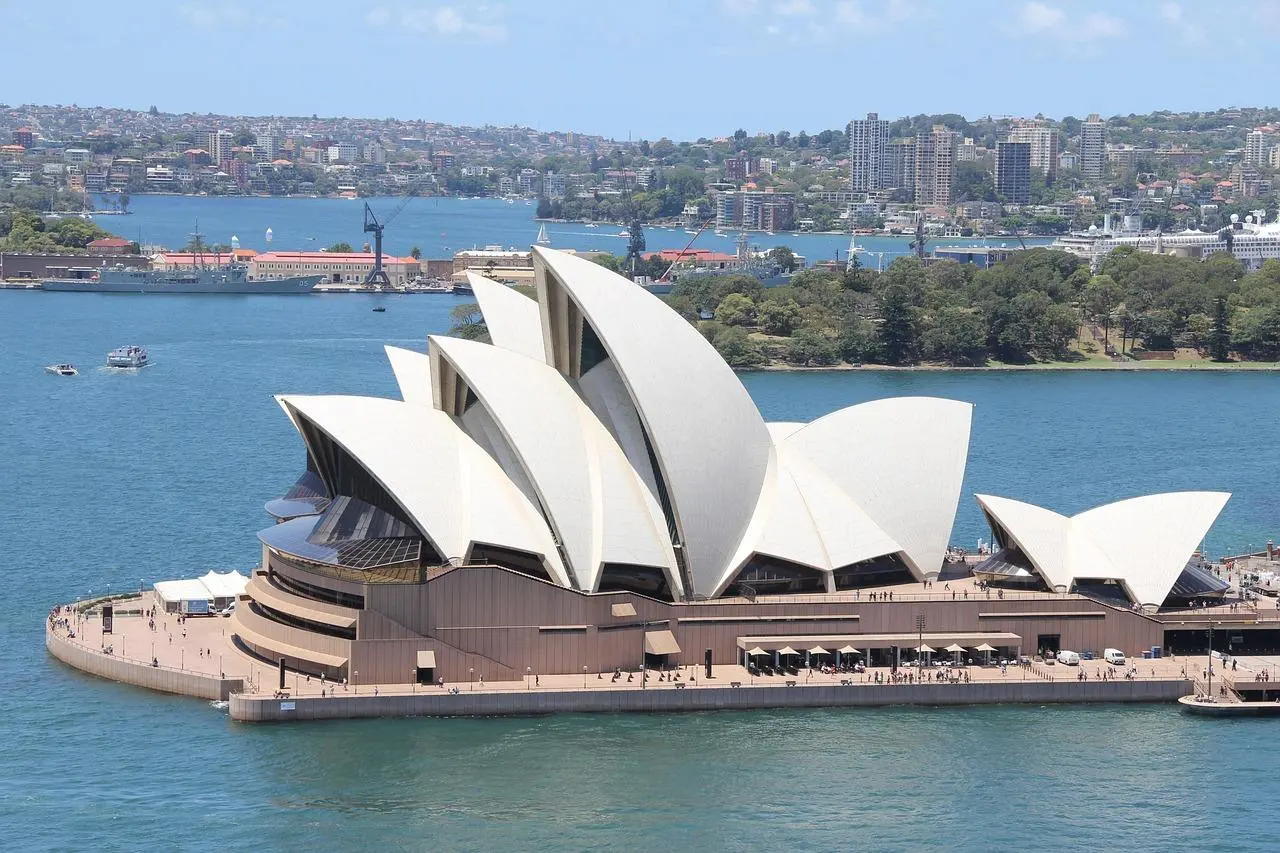
Sydney is where many trips begin. Tourism Australia calls it one of the world’s prettiest cities, with the Harbour Bridge and the Opera House framing the water and sandy stretches running from Coogee to Bondi.
Melbourne suits travellers who plan around meals and culture. According to the same source, you will find eye-popping street art and plenty of buzzy restaurants and bars, and the Great Ocean Road is only a few hours away with wild koalas, rock formations and long coastlines.
For wildlife, Kangaroo Island is the pick. Tourism Australia lists kangaroos, koalas and echidnas among the animals you can meet there, so it makes a calm counterpoint to the big cities.
If you want something between a city break and a nature stop, a day trip along the Great Ocean Road from Melbourne fits that gap without adding another flight.
When is the best time to visit Australia?
Australia is big enough to hold eight different climate zones, according to Time Out’s seasonal guide, which also insists there is never a bad time to go. The better question is which region suits which season.
| Season | Months | Best for |
|---|---|---|
| Summer | December to February | Southern beaches, festivals and sport |
| Autumn | March to May | Road trips and the northern dry season |
| Winter | June to August | Tropical north and snowfields |
| Spring | September to November | Wildflowers and wildlife |
The season breakdown comes from Time Out’s seasonal guide; seasonal conditions vary by year, so check the source and local forecasts before you book.
Summer suits the southern cities and Tasmania, which the guide recommends for a milder summer. The top parts of Western Australia, the Northern Territory and Queensland are in their wet season then, with hot, humid weather, tropical downpours and occasional cyclones, and summer is prime time, so flights and accommodation are likely at their most expensive.
Autumn is a shoulder season with fewer crowds and pleasant temperatures. It also heralds the dry season in the northern half, making it a prime time for Darwin, Katherine, Kakadu, Broome, the Kimberley and Cairns.
In winter, the north’s dry season draws many travellers to land and underwater adventures, and Aussie visitors also head for snowfields such as Perisher, Thredbo and Falls Creek. For cold-weather trips elsewhere, see the guide to the best winter vacation destinations.
Spring brings rain that turns the outback into a canvas of colourful wildflowers, while wildlife is easier to spot in its natural habitat.
How long to stay and how to plan a route
Distances decide most itineraries. Time Out advises giving yourself at least two weeks for two to three major cities plus a quick trip to the Great Barrier Reef or the Whitsundays.
To cover several regions without rushing, the same guide says three to four weeks is the sweet spot. That extra time lets you road-trip the West Coast, island-hop around Tasmania or head inland to the Red Centre.
A simple way to turn that advice into a plan:
- Pick your season first, because it decides whether the north or the south is the better base.
- Choose two or three city or coastal hubs, such as Sydney and Melbourne.
- Add one signature nature stop, such as the reef, Uluru or Kangaroo Island.
- Book flights and stays early if you are travelling in summer.
If you are building a longer multi-continent journey, the guide to the best places to visit in south america covers another region worth weighing alongside Australia.
Frequently asked questions
Which single place should a first-time visitor choose?
Show answer
There is no single winner, because the answer depends on whether you want sea, city or desert. Tourism Australia’s shortlist opens with the reef, Sydney, Uluru and Melbourne, so one of those four is a safe base for a first visit. Tourism Australia publishes the full list.
Is summer a good season to travel?
Show answer
It works well for beaches and big events in the southern cities. Expect the far north to be hot, wet and storm-prone, and expect the highest prices of the year. Time Out’s seasonal guide covers the trade-offs.
How much time should I set aside?
Show answer
Plan for a fortnight at a minimum if you want a few cities and a reef visit. Stretching to a month gives you room to add a road trip or a remote region, as Time Out suggests.
Is the Great Barrier Reef still worth visiting?
Show answer
Time Out notes that the reef is threatened by climate change, yet it still offers snorkelling, diving and glass-bottom boat trips. Wearing reef-safe sunscreen is the one habit it asks of every visitor. You can read more in its Australia guide.