Too many famous names, too little time? The best places to visit in Italy are Rome, Florence and Venice for cities, the Amalfi Coast and Cinque Terre for coast, and the Dolomites for mountains. Pick two or three that suit you.
This guide is part of our wider set of travel destinations guides, written to help you choose where to go next.
| Item | Value |
|---|---|
| Florence historic center, UNESCO World Heritage Site | Since 1982 |
| Venice and its lagoon, UNESCO heritage site | Since 1987 |
| Cinque Terre, UNESCO heritage territory | Since 1997 |
| Amalfi Coast length | 30 miles (50 km) |
| Amalfi Coast seaside towns | 13 little seaside towns |
These figures come from Italia.it and Trafalgar. They can change, so check the source before you rely on them.
Rome, Florence and Venice: the classic city trio
Rome
Rome is often called the Eternal City, layering thousands of years of history into one grand capital, as Collette puts it. The Manual lists the Colosseum, the Roman Forum and Vatican City as the headline sights. It is also a food stop, since Trafalgar calls Rome the heartland of four favorite pastas: carbonara, amatriciana, cacio e pepe and gricia.
Florence
The historic center of Florence has been a UNESCO World Heritage Site since 1982, and Italia.it says it is best explored on foot. The same page singles out the Uffizi Gallery, while Trafalgar sends art lovers to the Accademia Gallery for Michelangelo’s statue of David. Finish by crossing the 14th-century Ponte Vecchio.
Venice
Venice is built on 117 islands linked by canals and bridges, according to Collette. Its lagoon has been a UNESCO heritage site since 1987, per Italia.it. For quieter moments, The Manual suggests the lesser-known districts of Cannaregio and Dorsoduro, or a gondola ride at sunset.
The Amalfi Coast and Cinque Terre: Italy’s best-known coast
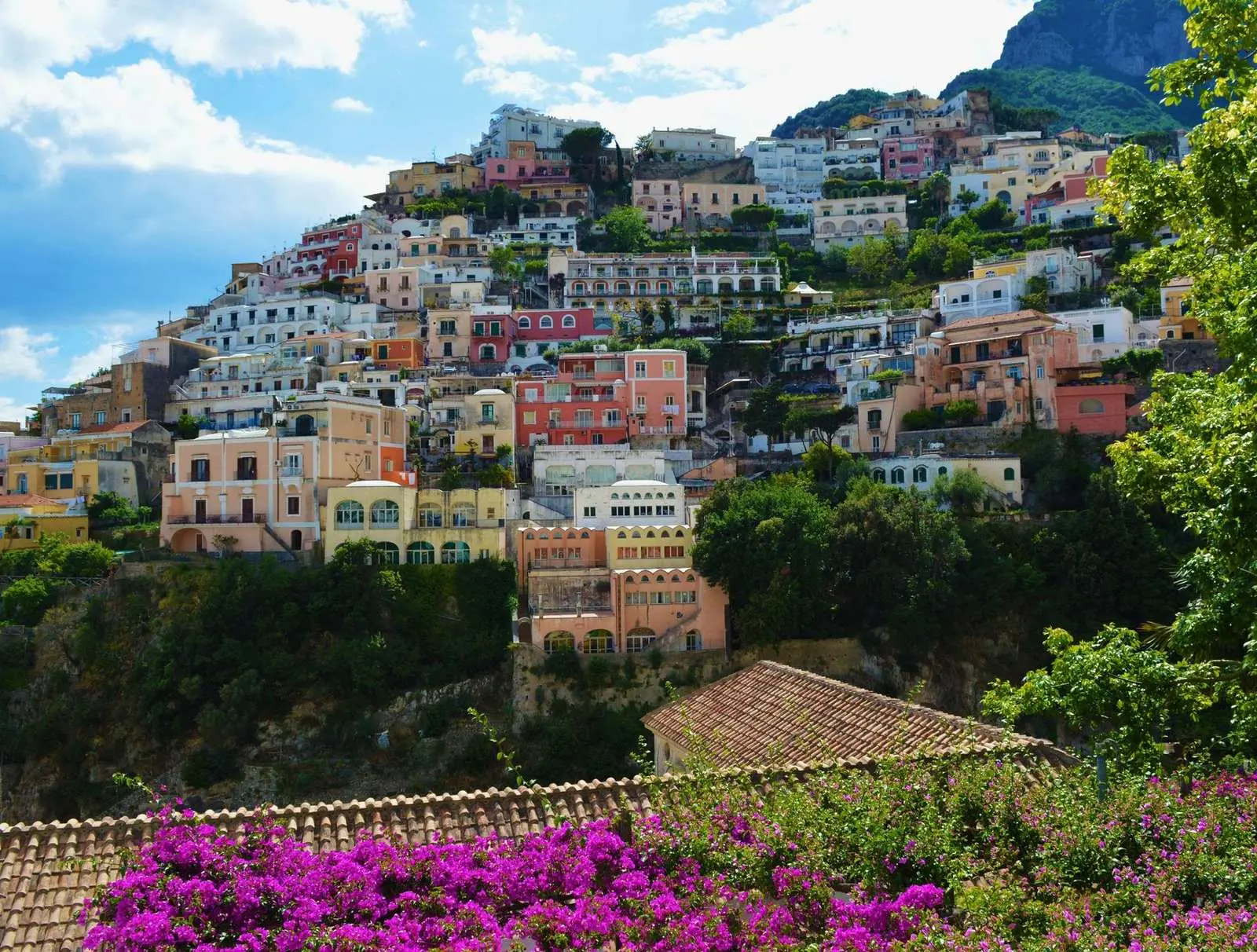
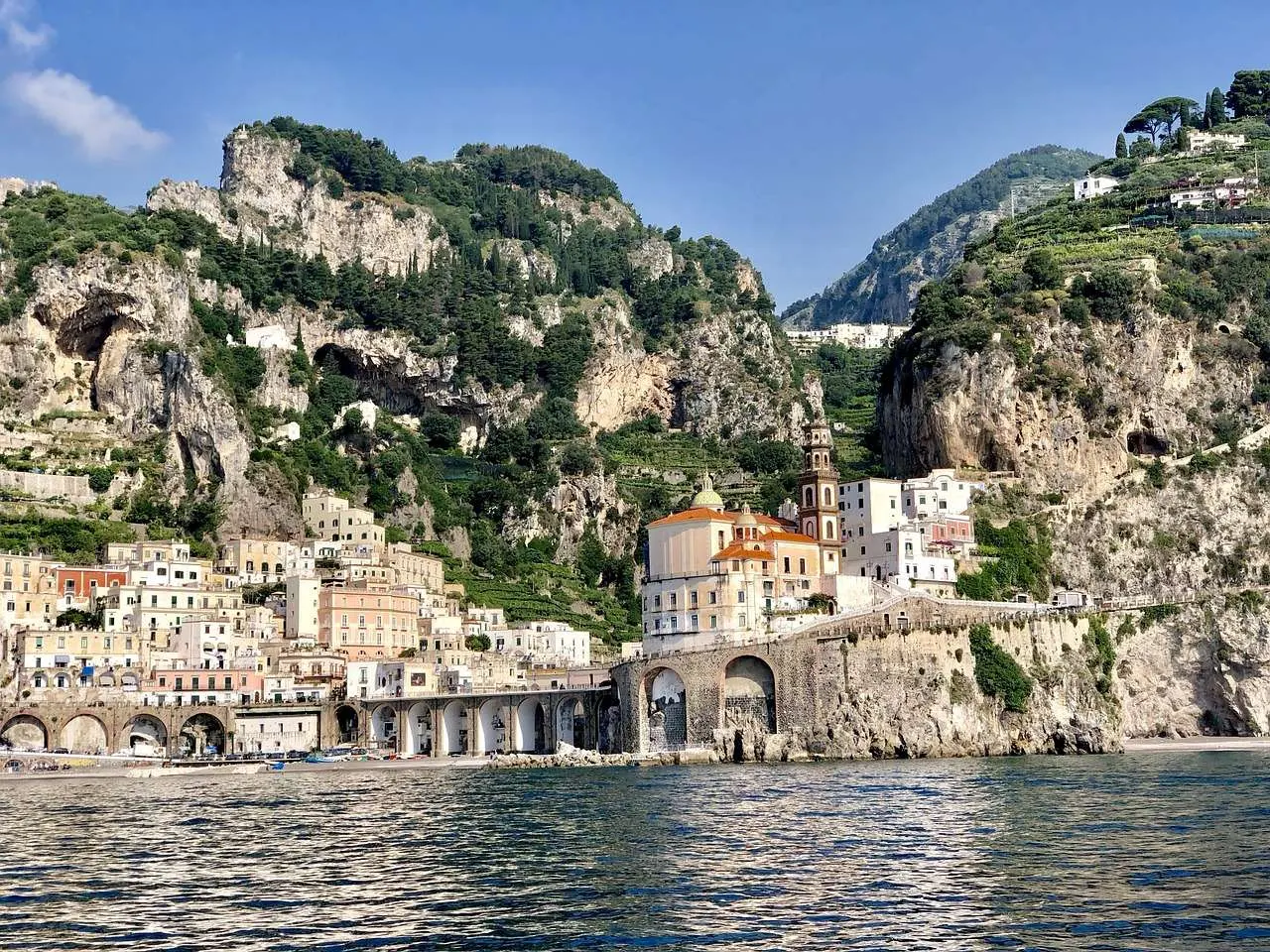
The Amalfi Coast runs for 30 miles (50 km) south of Naples, and Trafalgar counts 13 little seaside towns along it. Most travelers base themselves in Positano or Amalfi, the two larger towns, and the hairpin-bend road in is part of the adventure. The Manual notes the area is a UNESCO World Heritage site and recommends Ravello for its gardens and views.
Cinque Terre is five villages: Monterosso, Vernazza, Corniglia, Manarola and Riomaggiore. Italia.it says they have been on the UNESCO list since 1997 and that regional trains stop at all five stations. If you would rather walk, Trafalgar points to the clifftop Sentiero Azzurro trail.
On the trails, Collette advises starting early to enjoy the paths before crowds and midday heat.
Dolomites, Lake Como and the countryside
If your idea of Italy involves mountains, lakes or long lunches, these are the stops to weigh up:
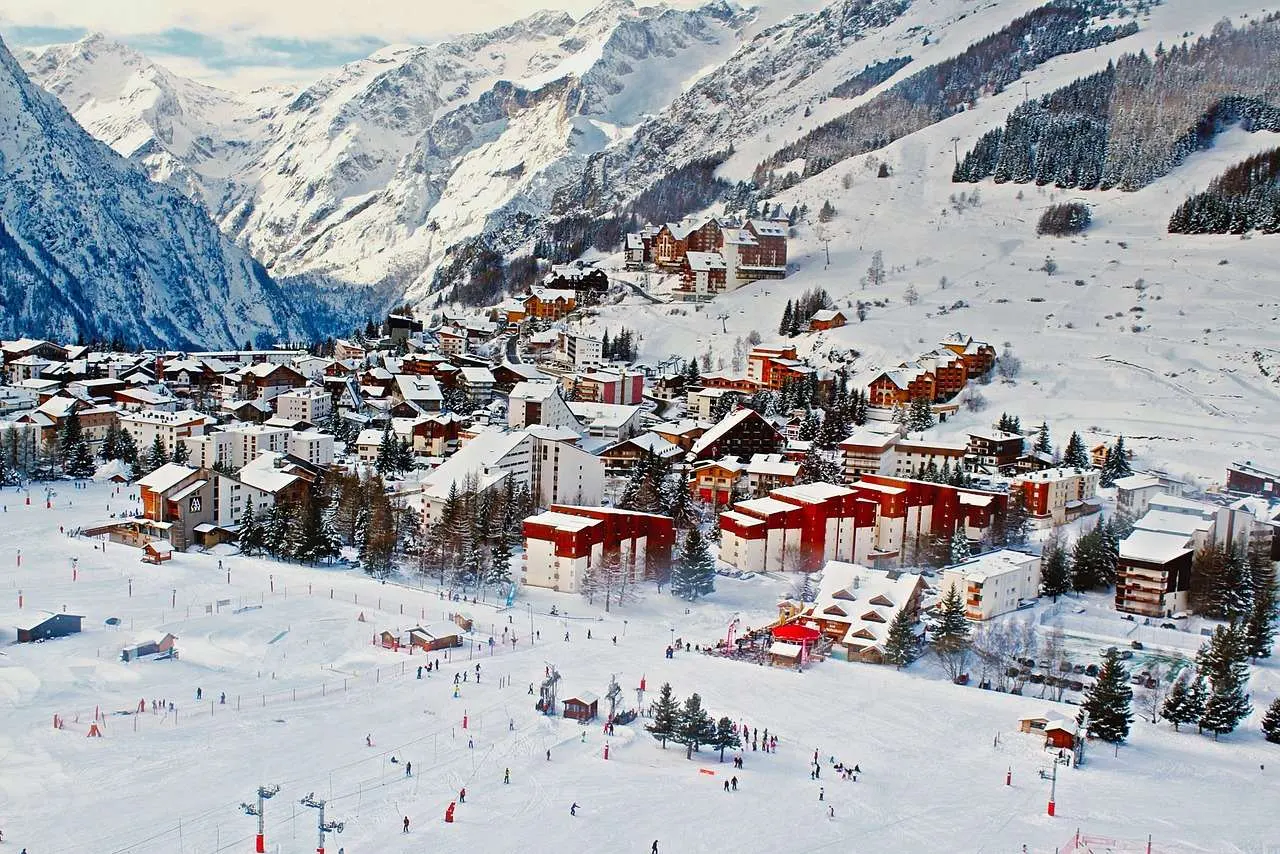
- The Dolomites in northeastern Italy offer some of Europe’s most breathtaking alpine scenery, says The Manual, with skiing and snowboarding in winter and hiking, climbing and cycling in summer.
- Lake Como is the glamorous option: Trafalgar describes the Rhaetian Alps rising above a blue lake lined with luxe villas and small palaces.
- Tuscany brings rolling hills, vineyards and medieval towns. Beyond Florence, The Manual names Siena, the Chianti wines and the Saturnia hot springs.
- Emilia-Romagna is the region for food lovers, and Trafalgar adds that balsamic vinegar comes from the nearby city of Modena.
Beyond the classics: Milan, Sicily and Puglia
Milan is Italy’s fashion and design capital, according to The Manual, which also points to Leonardo da Vinci’s The Last Supper in the Convent of Santa Maria delle Grazie. Italia.it adds that the Madonnina has watched over the city since 1774 and that underground, tram and bus links put sights such as the Castello Sforzesco within minutes of the center.
Sicily feels distinct from the mainland, with a culture shaped by Greek, Arab, Norman and other influences, according to Collette. The Manual highlights the Valley of the Temples at Agrigento and a climb up Mount Etna.
Puglia, the heel of Italy’s boot, is often overlooked by tourists, says The Manual. It describes whitewashed towns, olive groves and a stunning coastline, which suits you if you want authentic Italian culture away from the crowds.
When should you go, and how do you combine places?
Collette says spring (April to June) and fall (September to October) bring mild weather and fewer crowds. Summer offers lively festivals and long daylight hours, while winter means quieter cities and holiday markets. The same page lists Rome, Florence, Venice, the Amalfi Coast, Cinque Terre, Tuscany, Puglia, Sicily and the Dolomites as the top places to visit.
These pairings are our own suggestions for turning that list into a trip:
- First visit: Rome, Florence and Venice, linked by train.
- Cities and coast: Rome followed by the Amalfi Coast.
- Walking: the Dolomites, then the Cinque Terre trails.
- Quieter culture: Sicily or Puglia, away from the busiest routes.
A sensible rule is to pick one base for several nights instead of changing hotels daily. Italy rewards slow travel more than a checklist.
If Italy is one of several trips you are weighing, our guide to the best places to visit in japan offers a very different kind of journey. Our guide to the best places to visit in mexico covers another popular option.
Recommendations here are chosen on merit, and any affiliate links are disclosed and never change a ranking or verdict.
Frequently asked questions
What is the most visited city in Italy?
Show answer
Rome tops most lists, drawing travelers with the Colosseum, Vatican City and Trevi Fountain, according to Collette.
Should I choose Cinque Terre or the Amalfi Coast?
Show answer
Collette describes Cinque Terre as having a more laid-back charm than the Amalfi Coast, with painted houses and terraced vineyards, in its top places guide. Pick it for walking between fishing villages, and choose the Amalfi Coast for a longer, more glamorous stretch of towns.
Where in Italy is best for hikers?
Show answer
The Dolomites are the headline choice for mountain walking, and The Manual also lists climbing and cycling there in summer. For coastal paths, the Cinque Terre trails link the villages above the sea.
Is Venice still worth visiting when it is crowded?
Show answer
Yes, according to Trafalgar, which says something eternal draws people to the city whether winter fog or summer crowds fill the piazzas. Visit outside peak season if you can, and walk beyond the main sights.