Wondering where to go once Tokyo is ticked off? The best places to visit in Japan beyond the capital are Kyoto, Nara, Kanazawa, Hokkaido and Mount Fuji. Start with Kyoto and Nara.
If you are planning past Japan, our hub of travel destinations gathers every country guide in one place.
| Item | Value |
|---|---|
| Mount Fuji height | 3,776 meters |
| Mount Fuji climbing season | July to August |
| Sapporo population | 1.9 million |
| Osaka population | 2.7 million |
| Sapporo Snow Festival visitors | Over 2 million visitors every year |
| Shirakami Mountain Range area | 1,300 square kilometers |
These figures come from Nippon.com’s Japan Data feature, published in September 2014, so they can change: check the source before you rely on them.
Kyoto, Nara and Osaka: the Kansai core
The Kansai region is the easiest answer to “where next?” after Tokyo. Nippon.com’s feature says the former capitals of Nara and Kyoto hold “a seemingly endless number of impressive temples, shrines, and other cultural properties”.
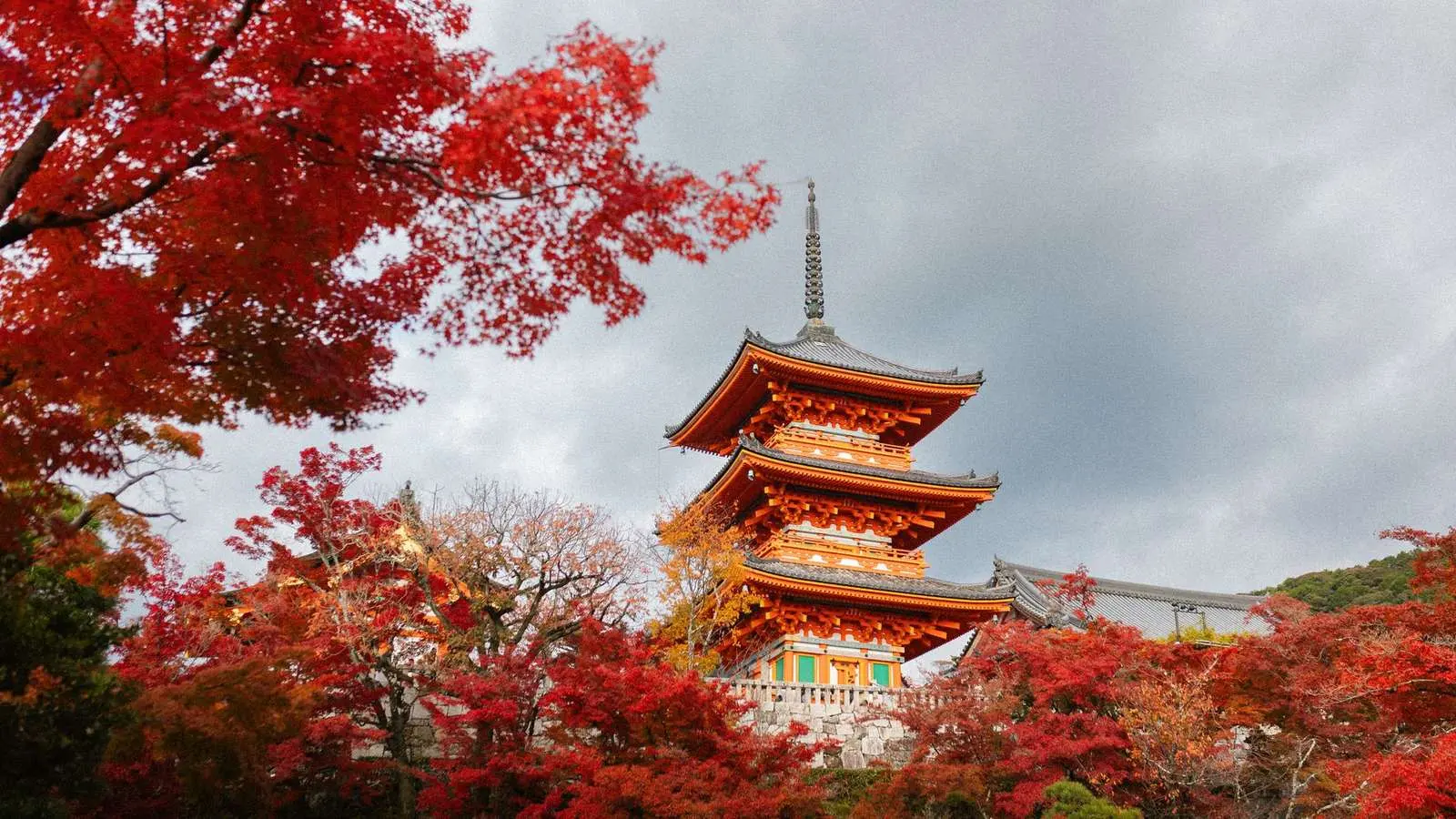
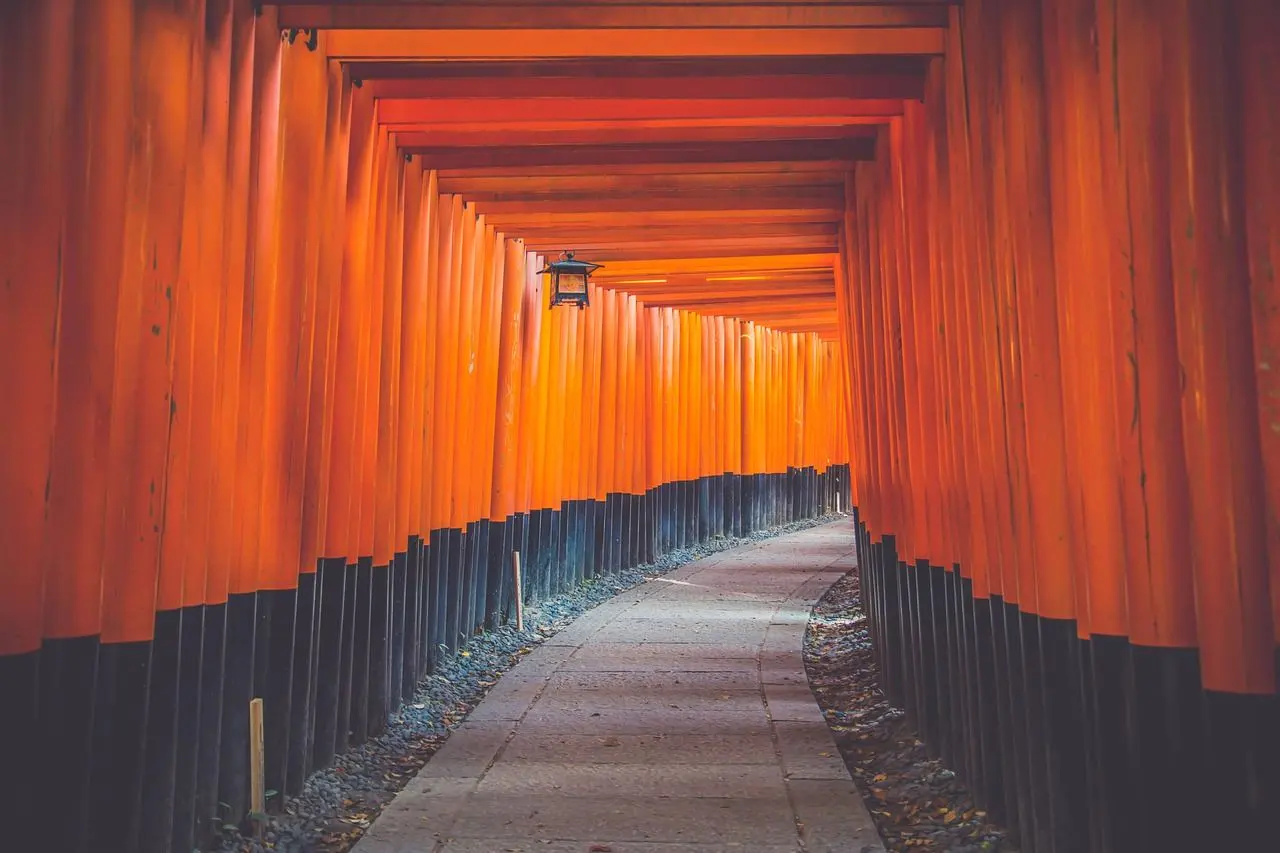
- Kyoto: major temples include Kinkakuji (the Temple of the Golden Pavilion), Kiyomizudera and Kenninji, and the tunnels of red gates at Fushimi Inari Shrine are an essential sight, according to Nippon.com.
- Nara: Todaiji contains a 15-meter-tall statue of the Buddha, and Horyuji features the world’s oldest wooden buildings, per the same feature.
- Osaka: the largest city in western Japan, with a population of 2.7 million, and known for takoyaki and okonomiyaki, as Nippon.com describes it.
Osaka also has the modern draws of Universal Studios and Osaka Aquarium. Its mascot, Kuidaore Taro, takes his name from a phrase meaning “eat yourself bankrupt”, which tells you how seriously the city takes its food (Nippon.com).
Hokkaido: Sapporo, Otaru and Shiretoko
Japan’s northern island suits you if you prefer open space to temple queues. Japan-guide.com sums up Hokkaido as “A nature-lover’s paradise with world-class skiing”, and it names Niseko as a leading snow resort with lots of powder snow.
Sapporo is the island’s biggest city, with a population of 1.9 million. Its annual Snow Festival in February draws over 2 million visitors every year to see giant snow sculptures in Odori Park, according to Nippon.com.
Nearby Otaru is a harbor city with well-preserved canals and brick warehouses, and the town of Yoichi just beyond it is home to the Nikka whisky distillery (Nippon.com).
For wilder scenery, Shiretoko National Park sits on a narrow peninsula in the east. It was designated a UNESCO World Heritage Site in 2005 and is known for brown bears, white-tailed eagles and drifting sea ice in winter, as Nippon.com notes.
Mount Fuji, Kanazawa and the mountain towns of Chubu
At 3,776 meters, Mount Fuji is the country’s highest mountain, and it was registered as a UNESCO World Heritage Site in 2013 (Nippon.com). You do not have to climb it: Fuji Five Lakes and Hakone give good views of the peak and a chance to soak in hot springs.
Kanazawa is best known for Kenrokuen Garden, and the same feature calls it perhaps the most beautiful of Japan’s “Three Famous Gardens”. The city also has geisha and samurai districts and a “Ninja Temple” with traps and hidden rooms, per Nippon.com.
Further into the mountains, Takayama preserves one of Japan’s nicest old towns, according to japan-guide.com. Shirakawa-go and Gokayama have steeply pitched thatched farmhouses called gassho-zukuri, named for hands pressed together in prayer, and they received UNESCO World Heritage status in 1995 (Nippon.com).
Nikko and Tohoku: shrines, forests and quiet history
Just north of Tokyo, Nikko is home to Toshogu Shrine, the mausoleum of Tokugawa Ieyasu, the first shogun of the Edo era, who died in 1616. Nippon.com counts it among the top destinations of the greater Tokyo area, which makes it a gentle first step away from the city.
Tohoku rewards travelers who want fewer crowds. Three places stand out in the sources:
- Hiraizumi: a regional center that flourished for around a century before it was destroyed in 1189. Its temples earned UNESCO World Heritage status in 2011 (Nippon.com).
- Shirakami Mountain Range: 1,300 square kilometers of virgin beech forest, registered as a World Heritage Site in 1993 (Nippon.com).
- Towada and Ginzan Onsen: a caldera lake famous for autumn colors and an old-fashioned hot spring town, both listed by japan-guide.com.
Plan ahead for Shirakami. The central World Heritage zone is protected and needs a permit for entry, though numerous hiking trails run through the rest of the area, per Nippon.com.
Hiroshima, Kyushu and Okinawa for a longer trip
Japan-guide.com describes Hiroshima as a regional capital with a tragic history, and it pitches Kyushu as a land of “Volcanoes, ancient history and fantastic cuisine”. Both sit well beyond the classic Tokyo and Kyoto line, so they work best when you have extra days.
Okinawa is billed there as an island paradise with its own unique culture (japan-guide.com). If sand and sea matter most, you may also like our guide to the best beach destinations in the world.
How do you choose between them?
Japan’s tourism board recorded its highest-ever number of international travellers in 2019, and its September 2021 release reminds you that Japan has so many incredible places to visit you really can’t go wrong. The real task is matching a region to your time and taste.
- Pick your season first: February for the Sapporo snow sculptures, or summer for the Mount Fuji climbing window.
- Choose one base per region rather than racing across the map, for example Kyoto for Kansai or Kanazawa for the Japan Sea side.
- Add a nature stop such as Shiretoko or Shirakami if temples start to blur together.
If you are weighing Japan against a trip to Europe, compare it with our guide to the best places to visit in italy.
Frequently asked questions
When can you climb Mount Fuji?
Show answer
Nippon.com’s 2014 feature gives the climbing season as July to August and warns that the summit can feel quite chilly even when Tokyo is sweating. Check current access rules before you book (source).
Which Kansai city is better for a first visit, Kyoto or Osaka?
Show answer
Kyoto and Nara hold the shrines and temples, while Osaka is the bigger, food-focused city. Many visitors base themselves in one and day-trip to the others, as the descriptions in Nippon.com’s feature suggest.
Do you need a permit to hike in Shirakami?
Show answer
Only the protected central World Heritage zone requires a permit for entry. The remainder of the range has numerous hiking trails, according to Nippon.com.
Are these places still popular with international visitors?
Show answer
The national tourism organisation reported a record number of international travellers in 2019, before the pandemic, in a release dated September 2021. Look for newer figures from JNTO before you plan around crowds.